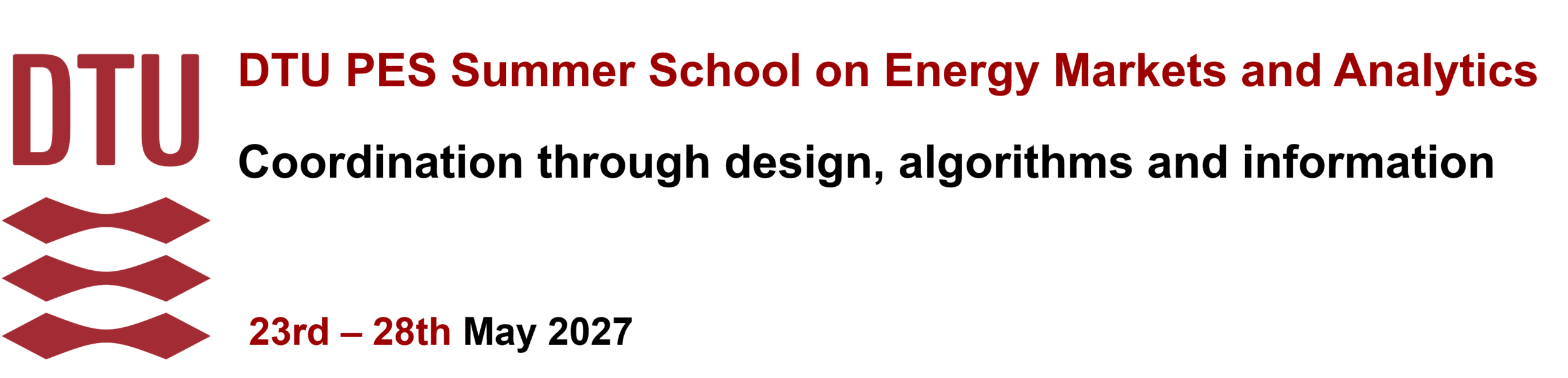
Ben Hobbs
Ben Hobbs earned his PhD from Cornell University, where his thesis was on models of network-constrained oligopolistic competition among electric generators. He has been at JHU since 1995 in the Department of Environmental Health & Engineering, and has served as chair and deputy chair of that department. He is the Theodore & Kay Schad Professor of Environmental Management. He was previously on the faculty at Case Western Reserve University and a staff researcher at Brookhaven and Oak Ridge National Labs (US). He is a Life Fellow of IEEE and Fellow of INFORMS, and received a Presidential Young Investigator Award from President Reagan.
He has been a member of the California power market’s surveillance committee since 2002, and recently retired as its chair. From 1995-2002, he was a consultant to the Office of the Economic Advisor of the Federal Energy Regulatory Commission.
Dr. Hobbs is a Director of EPICS, a NSF Global Climate center on managing renewable-dominated power systems within the JHU Ralph O’Connor Sustainable Energy Institute. EPICS is a partnership with the University of Melbourne, CSIRO, and Imperial College London. Previously, he directed the JHU Environment, Energy, Sustainability & Health Institute (E2SHI) and was JHU director for the Yale-JHU Solutions for Energy, Air, Climate & Health (SEARCH) center. He has had visiting appointments at Cambridge University, University of Washington, Comillas Pontifical University, CalTech, and the Florence School of Regulation.
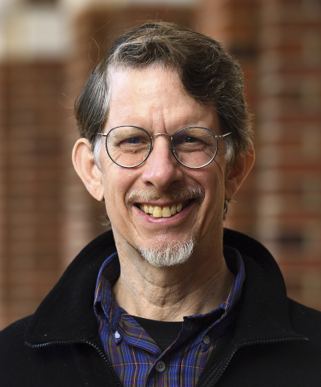
Clara Poletti
Clara Poletti is Professor at the Florence School of Regulation and serves on several international advisory and governance bodies in the energy sector. She has more than thirty years of experience in energy regulation.
From 2018 to 2025, Clara served as Commissioner of the Italian Regulatory Authority for Energy, Networks and Environment (ARERA). During the same period, from 2019 to 2025, she chaired the Board of Regulators of the Agency for the Cooperation of Energy Regulators (ACER), leading the coordination of national energy regulators across the European Union and contributing to the development and implementation of EU energy market regulation during a period of major transformation in the sector.
Prior to and alongside these roles, Clara held several senior positions within ARERA, ACER and the Council of European Energy Regulators (CEER). She chaired ACER’s Gas Working Group and REMIT Working Group, as well as CEER’s Gas Working Group. Throughout her institutional career, she has developed extensive experience in electricity and gas network regulation and planning, tariff design, wholesale and retail market regulation, market integration, consumer protection and the regulatory implications of the energy transition. Her work has involved both the design of regulatory frameworks and their practical implementation at national and European level.
Alongside her regulatory career, Clara has held senior academic positions in energy economics and regulation. She served as Director of IEFE, the Centre for Research on Energy and Environmental Economics and Policy at Bocconi University, and was among the founders of the Centre on Regulation in Europe (CERRE), a leading European think tank on the regulation of the energy, digital and mobility sectors.
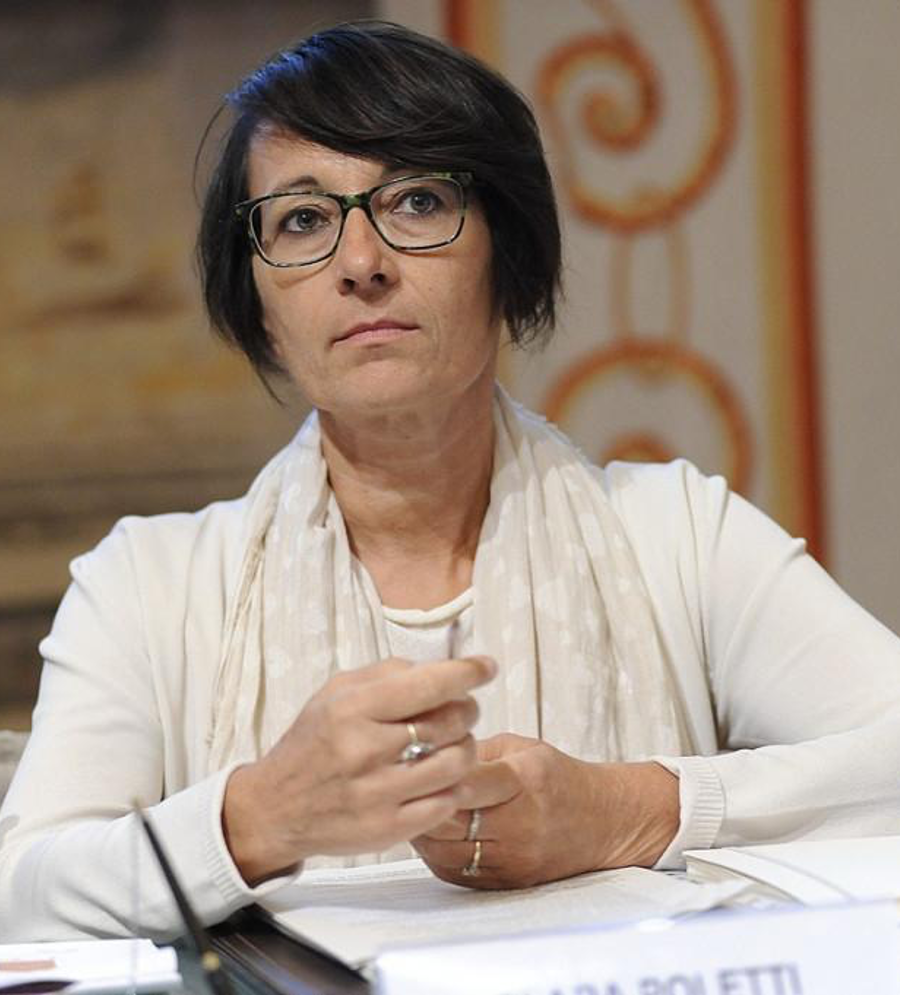
Munther A. Dahleh
Munther A. Dahleh received his B.S. in Electrical Engineering from TAMU in 1983, Ph.D. degree from Rice University, Houston, TX, in 1987 in Electrical and Computer Engineering. Since then, he has been with the Department of Electrical Engineering and Computer Science (EECS), MIT, Cambridge, MA, where he is now the William A. Coolidge Professor of EECS. He is also a faculty affiliate of the Sloan School of Management. He is the founding director of the MIT Institute for Data, Systems, and Society (IDSS). He serves on multiple advisory boards including AI advisory board for Samsung and Ikigai. He is the author of the recent book: Data, Systems, and Society: Harnessing AI for Societal Good, Cambridge University Press, April 2025.
Prof. Dahleh leads a research group on Decisions Under Uncertainty, with research spanning networked systems, information design, decision theory, and causal learning, with applications to transportation, financial and social networks, energy, and other complex systems. His recent work focuses on the economics of data and information, the use of information to coordinate behavior, and the foundations of data markets. He is also a leader in online and professional education in advanced data science, machine learning, and AI.
Prof. Dahleh is a four time recipient of the George S. Axelby best paper award for papers published in the IEEE Transactions on Automatic Control. He is also a recipient of the Donald P. Eckman Award for the best control engineer under 35, and the 2026 Henrick W. Bode Lecture Prize. He is a fellow of IEEE and IFAC.
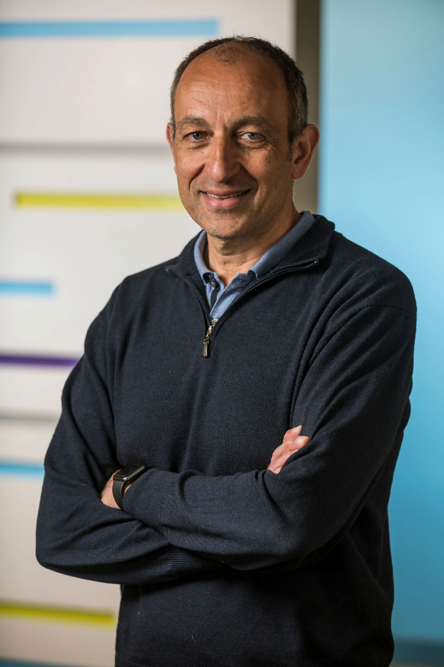
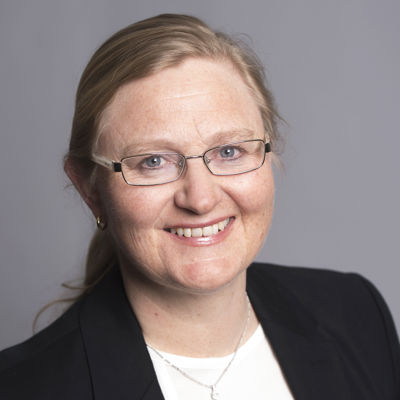
Mette Bjørndal
Mette Bjørndal is Professor at the Department of Business and Management Science and former Vice Rector of NHH. Bjørndal has a PhD in Management Science, from NHH in 2000. Her areas of expertise include analysis of energy markets, market design and pricing, transmission pricing and congestion management in electricity and gas networks, benchmarking and regulation of natural monopolies.
Bjørndal has worked on numerous research projects, often in close collaboration with regulators and industry partners, in particular on transmission pricing and congestion management, and benchmarking and regulation in the electricity sector. Some of the projects have had significant impact on the Norwegian regulatory practice.
Bjørndal was a member of the Central Bank Law Commission from 2015 to 2017, and a member of “Strømnettutvalget”, a public committee to assess the development of the power grid, appointed by the Ministry of Petroleum and Energy, from 2021 to 2022. She is currently a member of several boards, including the Board of Statnett, the Norwegian TSO, and the Petroleum Price Board. She is Research Director at FME NTRANS (the Norwegian Centre for Energy Transition Strategies).
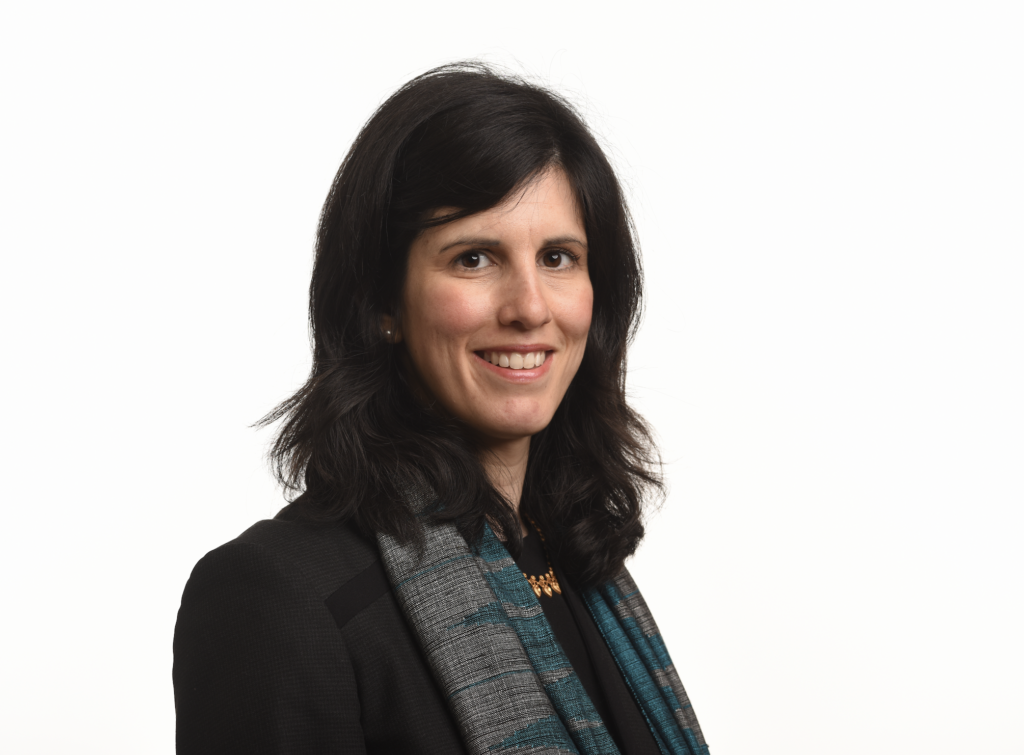
Elina Spyrou
Elina Spyrou is the Leverhulme Assistant Professor in the Department of Electrical and Electronic Engineering at Imperial College London. Her research develops analytical methods and evidence to inform energy policy, electricity market design, and decision-making in the power sector.
Before joining Imperial, Elina was a Research Engineer at the US Department of Energy’s National Renewable Energy Laboratory (NREL), where she worked on risk management tools for electricity markets. She is an active member of INFORMS ENRE, IEEE PES, and the Energy Systems Integration Group (ESIG).
Elina received her PhD in Geography and Environmental Engineering from Johns Hopkins University in 2019. Her doctoral research on power system planning in fragile regions was featured on the cover of Nature Energy in April 2019. She also holds an MSc in Environmental Science and Policy from Johns Hopkins University (2016) and a Diploma in Electrical and Computer Engineering from the National Technical University of Athens (2012).
David Wozabal
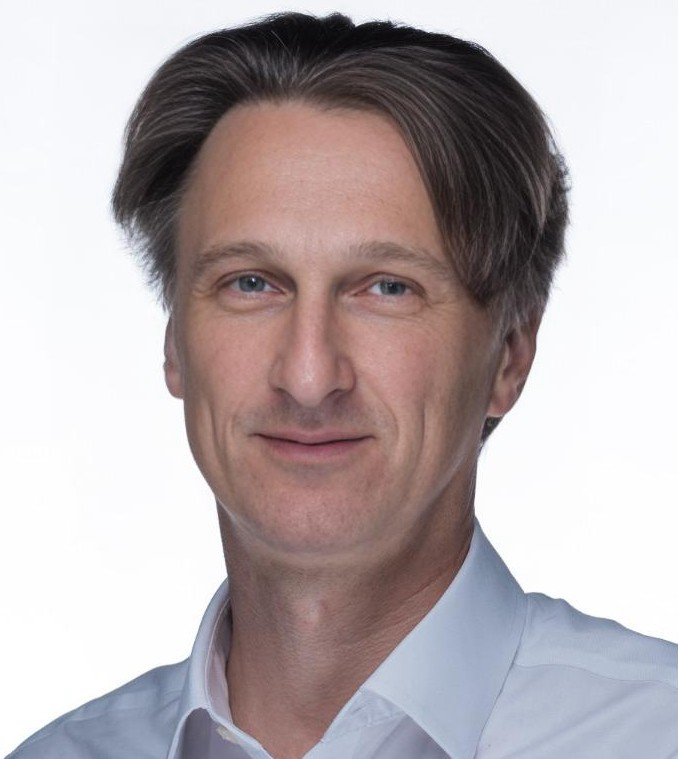
David Wozabal is a Full Professor of Business Analytics and Decision Sciences at WU Vienna. Previously, he held professorships at Vrije Universiteit Amsterdam and the Technical University of Munich. He serves as Department Editor for Energy Markets at OR Spectrum and was previously an Associate Editor for Operations Research.
His research focuses on decision-making under uncertainty, specifically addressing how firms should act when critical future information is unknown, decisions are interdependent, and mistakes are costly. Methodologically, his work draws on stochastic programming, risk-averse and distributionally robust optimization, game theory, and machine learning, with a strong emphasis on combining sound theory with scalability to realistic problem sizes.
Much of Dr. Wozabal’s applied research addresses challenges arising from the energy transition. He develops quantitative trading and operating strategies for battery storage systems, wind and solar farms, and virtual power plants.
Ibrahim Abada
Ibrahim Abada is an Associate Professor at Grenoble Ecole de Management in France. His research focuses on investigating the impact of the increasing use of algorithms in decision-making, with an emphasis on algorithmic collusion, predation, and manipulation. He is also active in the field of energy economics, where he studies optimal market design, with a focus on long-term capacity expansion problems under risk. Ibrahim Abada spent more than 10 years in the energy industry as a market analyst and consultant. He holds a Ph.D. from the University of Nanterre (France), a master’s degree in quantum physics, and an engineering degree from École Polytechnique in France.

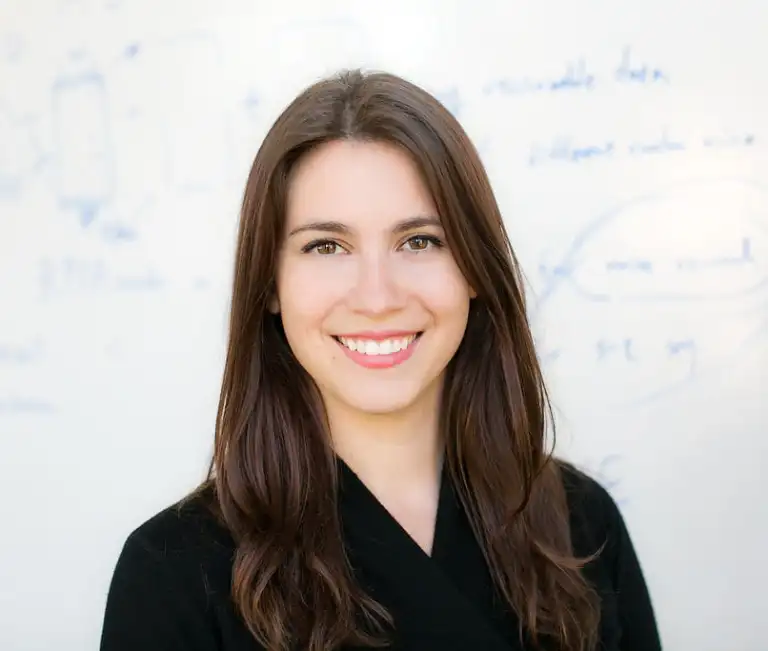
Rachel Cummings
Dr. Rachel Cummings is an Associate Professor of Industrial Engineering and Operations Research and (by courtesy) Computer Science at Columbia University, where she is also a member of the Data Science Institute and co-chairs the Cybersecurity Research Center. Before joining Columbia, she was an Assistant Professor of Industrial and Systems Engineering and (by courtesy) Computer Science at the Georgia Institute of Technology, and she received her Ph.D. in Computing and Mathematical Sciences from the California Institute of Technology. Her research interests lie primarily in data privacy, with connections to machine learning, algorithmic economics, optimization, statistics, and public policy. Dr. Cummings is the recipient of numerous awards including an NSF CAREER award, a DARPA Young Faculty Award, a DARPA Director’s Fellowship, an Early Career Impact Award, multiple industry research awards, a Provost’s Teaching Award, two doctoral dissertation awards, and Best Paper Awards at DISC 2014, CCS 2021, and SaTML 2023. Dr. Cummings also serves on the Independent Census Scientific Advisory Committee, the ACM U.S. Technology Policy Committee, the IEEE Standards Association, and the Future of Privacy Forum’s Advisory Board, and was a Fellow at the Center for Democracy & Technology.
George Kariniotakis
George Kariniotakis is Distinguished Professor at Mines Paris – PSL. He is head of the Renewable Energies and Smart Energy Systems Group (ERSEI) at Center PERSEE of Mines Paris. He has been involved as participant or coordinator in more than 50 R&D projects in the fields of renewable energies and smart-grids. In particular, he has coordinated several major EU projects in the field of wind forecasting and integration: Anemos (FP5), Anemos.plus (FP6), SafeWind (FP7) as well as the Smart4RES (H2020) project on RES forecasting and integration. Currently he is coordinating the Horizon Europe project Fair4Communities on AI for forecasting and optimisation of energy sharing in energy communities. His scientific interests include forecasting, RES integration, modelling, management and planning of power systems, and AI and data science for energy among others.
Simon Camal
Simon CAMAL is Associate Professor at MINES Paris – PSL, Center PERSEE. His research focuses on AI-enabled forecasting and decision-making in energy systems at operational scales. He is currently involved in six collaborative research projects at national and European level (AI for energy, trustworthy predictive control of multi-energy systems) and works closely with industrial partners such as RTE, TotalEnergies, and Newheat.
Spyros Chatzivasileiadis
Spyros Chatzivasileiadis is a Professor in the Department of Wind and Energy Systems at the Technical University of Denmark. He received a Diploma in Electrical and Computer Engineering from the National Technical University of Athens, Greece, and a Ph.D. degree in Electrical Engineering from ETH Zurich. He previously was a postdoctoral researcher at the Lawrence Berkeley National Laboratory followed by time as a postdoctoral researcher at the Massachusetts Institute of Technology. His research interests lie at the cross-section of AI, control, optimization and dynamic systems to ensure the secure operation of electric systems with 100% renewable sources.

Lesia Mitridati
Lesia Mitridati is an Associate Professor in the Department of Wind and Energy Systems at the Technical University of Denmark, Denmark. She received the M.Sc. degree in Science and Executive Engineering from Mines Paris and her Ph.D. degree in Electrical Engineering from the Technical University of Denmark. She has spent time as a postdoctoral researcher at the Georgia Institute of Technology and ETH Zürich. Her research focuses on the interface of machine learning and data-driven optimization, with specific interest in the areas of market design for integrated energy systems, flexibility services, local energy communities, and data analytics.
Jalal Kazempour
Jalal Kazempour is a Professor at the Technical University of Denmark (DTU), where he leads the Section for Energy Markets and Analytics in the Department of Wind and Energy Systems. He founded the annual DTU PES Summer School in 2016 and serves as an Associate Editor for Operations Research and a member of ACER’s Expert Group on the EU-wide Flexibility Needs Assessment. He received his Ph.D. in Electrical Engineering from the University of Castilla-La Mancha, Spain, in 2013, followed by postdoctoral positions at Johns Hopkins University and DTU. His research focuses on the mathematical and algorithmic foundations of electricity markets in a fully renewable energy system. He is a Senior Member of IEEE and INFORMS.
