
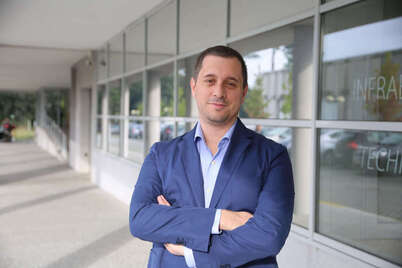
Ricardo Bessa
Ricardo Bessa, IEEE Fellow, earned his 5 years in Electrical and Computer Engineering (2006), M.Sc. in Data Analysis (2008), and Ph.D. in Sustainable Energy Systems (2013) from the University of Porto. He coordinates the Center for Power and Energy Systems at INESC TEC. His research spans energy forecasting, computational intelligence, and smart grids. He led projects like AI4REALNET and contributed to FP6 ANEMOS.plus, H2020 Smart4RES and H2020 InteGrid. Received the ESIG Excellence Award (2022). He was Associate Editor for IEEE Transactions on Sustainable Energy (2018-2023), and presently is Associate Editor of Journal of Modern Power Systems and Clean Energy, IEEE Data Descriptions, and International Journal of Forecasting.
Luiz Barroso
Luiz Barroso is the CEO of PSR Energy Consulting and Analytics, a Brazilian global provider of modeling tools and market consulting studies, and an Affiliated Researcher of the Institute for Research in Technology (IIT) of the Comillas University in Spain. He is a past president of the Brazilian Energy Planning Agency, and was a visitor in the International Energy Agency. His professional experience spans over planning, operations and economics of energy systems with work experience in more than 30 countries. He holds a BSc and PhD degree in Applied Mathematics. He is an IEEE Fellow for his contributions on energy markets and regulation, recipient of the 2025 IEEE Leadership in Power Award and since july 2025 he is an independent member as an energy expert of the Brazilian National Council for Energy Policy.
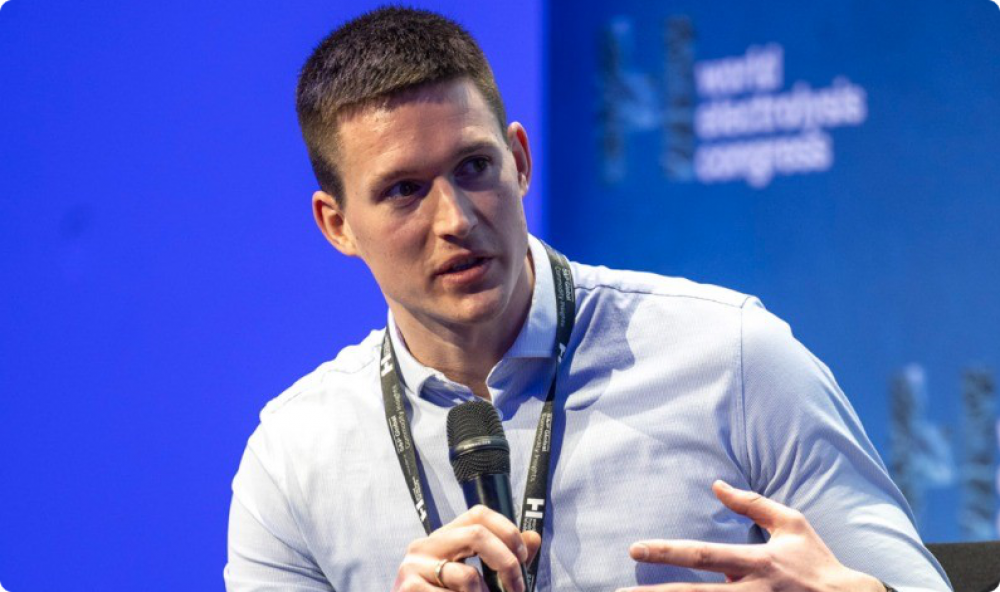
Thomas Dalgas Fechtenburg
Thomas Dalgas Fechtenburg is a Senior Manager of Ancillary Services, Energinet System Operations, for around 10 years at the Danish TSO Energinet. Heading the department of Ancillary Services, he is responsible for the following: Developing technical requirements and dimensioning for reserves based on the needs of the Nordic and Continental European electric synchronous areas, implementation of international requirements in national codes, testing and prequalification of units to deliver ancillary services in Denmark, audit of ancillary service deliveries and management of stakeholders. Local congestion management of the transmission power grid and TSO-DSO collaboration to resolve local bottlenecks due to massive integration of renewable production and electrification of consumption. Enable flexible consumption and renewable production to participate in relevant ancillary service markets, etc. through pilots and testing to lower entry barriers and develop new solutions.
Henrik Sandberg
Henrik Sandberg is Professor at the Division of Decision and Control Systems, KTH Royal Institute of Technology, Stockholm, Sweden. He received the M.Sc. degree in engineering physics and the Ph.D. degree in automatic control from Lund University, Lund, Sweden, in 1999 and 2004, respectively. From 2005 to 2007, he was a Postdoctoral Scholar at the California Institute of Technology, Pasadena, USA. In 2013, he was a Visiting Scholar at the Laboratory for Information and Decision Systems (LIDS) at MIT, Cambridge, USA. He has also held visiting appointments at the Australian National University and the University of Melbourne, Australia. His current research interests include security of cyber-physical systems, power systems, model reduction, and fundamental limitations in control. Dr. Sandberg was a recipient of the Best Student Paper Award from the IEEE Conference on Decision and Control in 2004, an Ingvar Carlsson Award from the Swedish Foundation for Strategic Research in 2007, and a Consolidator Grant from the Swedish Research Council in 2016. He has served on the editorial boards of IEEE Transactions on Automatic Control and the IFAC Journal Automatica, and is currently an elected member of the IEEE Control Systems Society Board of Governors. He is Fellow of the IEEE.
Sonja Wogrin
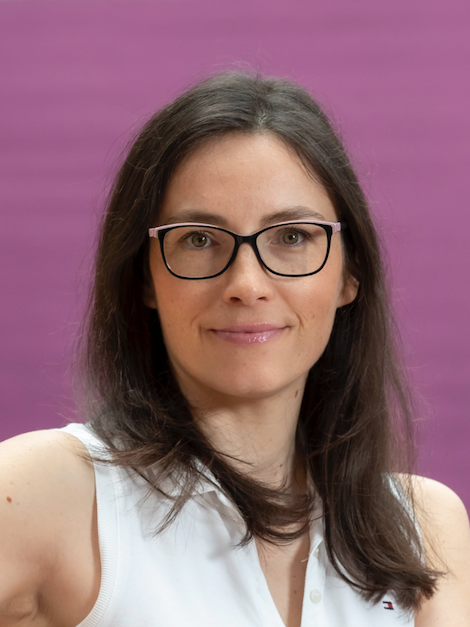
Sonja Wogrin earned her Dipl.-Ing. in Technical Mathematics from Graz University of Technology in June 2008 and a Master of Science in Computation for Design and Optimization from the Massachusetts Institute of Technology in October 2008. She completed her PhD in 2013 at the Instituto de Investigación Tecnológica (IIT) of the Universidad Pontificia Comillas, where she also worked as a research assistant and later as an Associate Professor in the Department of Industrial Organization. Since August 2021, she has served as Head of the Institute for Electricity Economics and Energy Innovation at Graz University of Technology, where she is also a Full Professor in the Department of Electrical and Information Engineering. Sonja has served as a Visiting Researcher at several institutions, including the Laboratory for Information and Decision Systems (LIDS) at MIT, the Isaac Newton Institute for Mathematical Sciences in Cambridge (UK), the University of Copenhagen, and NTNU. She is a Senior Member of the IEEE and a member of both the Austrian Association for Energy Economics and the Austrian Electrotechnical Association (OVE). In 2023, she was named “Austrian of the Year” by DiePresse in the climate initiative category for her contributions to shaping a climate-friendly, sustainable energy future. She also acts as the spokesperson for the TU Graz Research Center for Energy Economics and Energy Analytics. Her research focuses on optimization and modeling of energy systems. For her research in “Data aggregation for net-zero power systems,” Sonja has been awarded an ERC Starting Grant for 2023-2028.
Martin Bichler
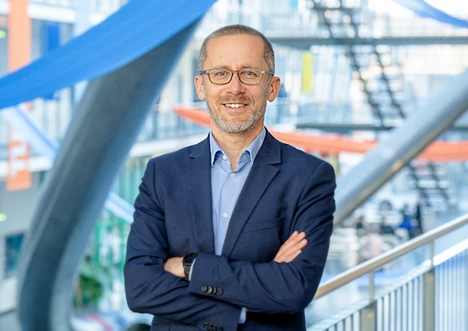
Martin Bichler is Head of the Department of Computer Science at the Technical University of Munich (TUM) and head of the research group Decision Sciences and Systems. He is affiliated with the TUM School of Management and a core member of the Munich Data Science Institute. Martin received his Master degree from the Technical University of Vienna, and his Doctorate as well as his Habilitation from the Vienna University of Economics and Business. He was a research fellow at UC Berkeley, and a research staff member at the IBM T. J. Watson Research Center, Yorktown Heights, New York. Later, he was a visiting scholar at the University of Cambridge, at HP Labs Palo Alto, at the Department of Economics at Yale University, the Department of Economics at Stanford University, and the Simons Laufer Mathematical Sciences Institute in Berkeley.
Sijia Geng
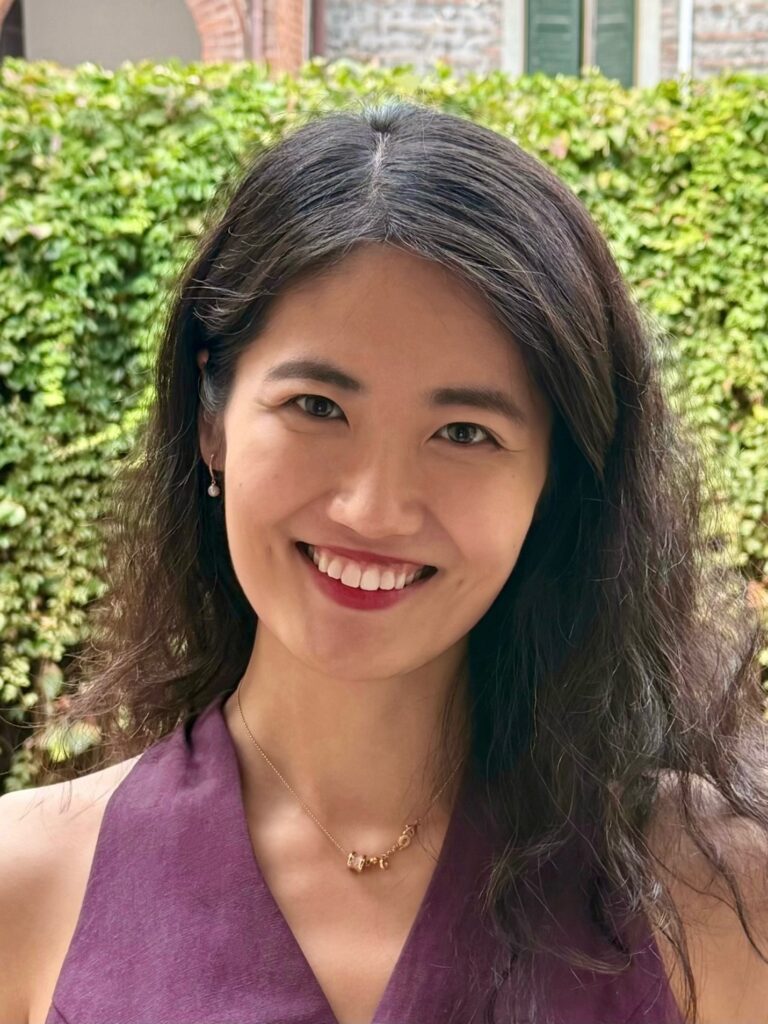
Sijia Geng is an Assistant Professor in the Department of Electrical and Computer Engineering at Johns Hopkins University, with affiliations in the Department of Applied Mathematics and Statistics and Department of Computer Science. She is a Core Faculty member of the Ralph O’Connor Sustainable Energy Institute (ROSEI) and a Co-PI of the NSF EPICS Global Center. Before joining Johns Hopkins, she was a Postdoctoral Associate at the Laboratory for Information and Decision Systems (LIDS) at MIT. Dr. Geng received her Ph.D. in Electrical and Computer Engineering from the University of Michigan, Ann Arbor, where she also earned two M.S. degrees in Mathematics and in Electrical and Computer Engineering. Her research topics include dynamics, control, and stability of inverter-dominated power systems; optimization of electrified transportation and multi-energy systems; nonlinear and hybrid systems; and differential geometric methods. She received a Best Paper Award at the MIT/Harvard Applied Energy Symposium in 2022 and was named a Barbour Scholar and Rising Star in EECS in 2021.
Panagiotis Papadopoulos
Panagiotis Papadopoulos is a Reader (Associate Prof.) in the Department of Electrical and Electronic Engineering at the University of Manchester and a UK Research and Innovation Future Leaders Fellow working on “Addressing the complexity of future power system dynamic behaviour”. He received the Dipl. Eng. and Ph.D. degrees from the Department of Electrical and Computer Engineering at Aristotle University of Thessaloniki, in 2007 and 2014, respectively. From 2014-2017, he was a post-doctoral Research Associate at the University of Manchester and in 2017, he joined the University of Strathclyde as a Lecturer.
His research interests are in the area of power system stability and dynamics under increased uncertainty, introduced due to the integration of new technologies. He is also interested in power system applications of machine learning to tackle complex problems related to power system stability.
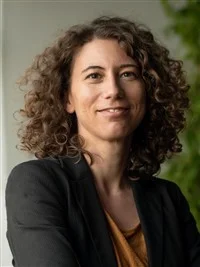
Lena Kitzing
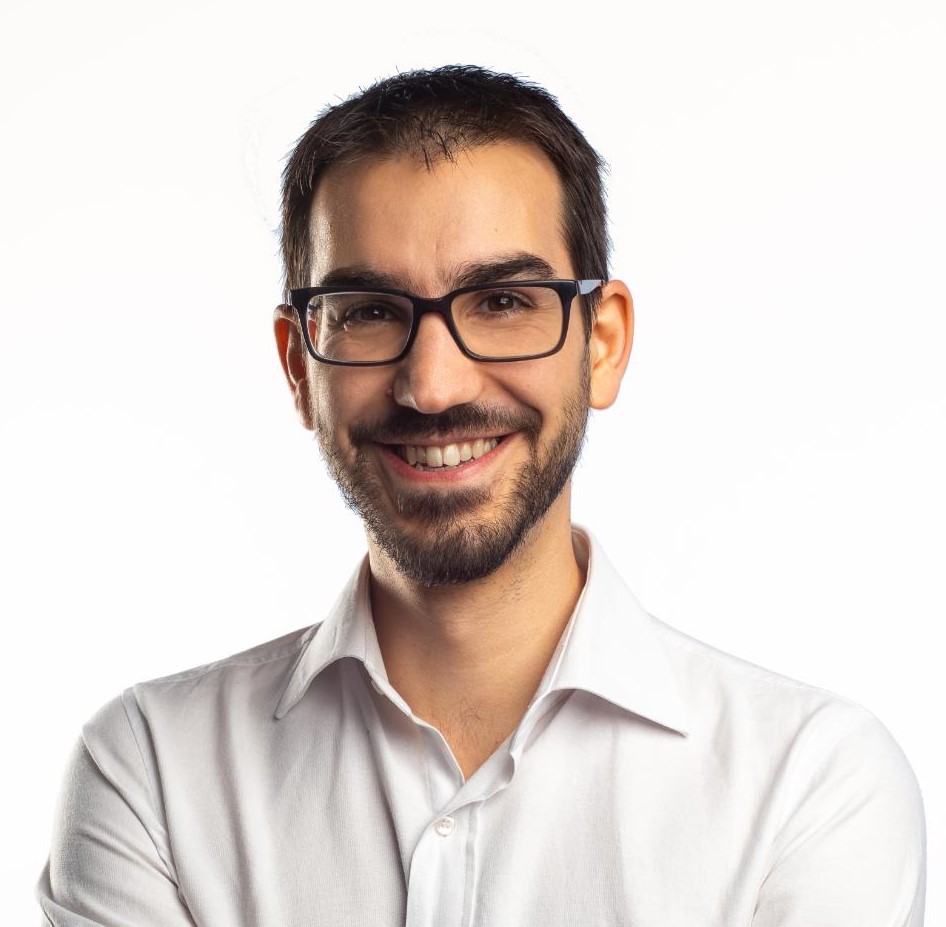
Lena Kitzing is Professor of Renewable Energy Economics and Policy and Head of the Wind Energy Systems Division at the Technical University of Denmark (DTU). Her research focuses on the governance of energy systems through policy instruments, with emphasis on renewable deployment, financing, and integration. She is a leading expert on renewable auction design and Contracts-for-Difference (CfDs) and has coordinated major EU projects such as AURES on renewable energy auctions. Next to her wide network of academic collaborations, which include affiliations at MIT, the University of Cambridge, and the European University Institute, Lena has strong focus on research impact: she serves on the European Scientific Advisory Board on Climate Change and advises policymakers on climate policy and the energy transition. She teaches widely at Master, PhD and executive level, amongst others at the Florence School of Regulation.
Lesia Mitridati
Lesia Mitridati is an Assistant Professor in the Department of Wind and Energy Systems at the Technical University of Denmark, Denmark. She received the M.Sc. degree in Science and Executive Engineering from Mines Paristech and her Ph.D. degree in Electrical Engineering from the Technical University of Denmark. She has spent time as a postdoctoral researcher at the Georgia Institute of Technology and ETH Zürich. Her research focuses on the interface of machine learning and data-driven optimization, with specific interest in the areas of market design for integrated energy systems, flexibility services, local energy communities, and data analytics.

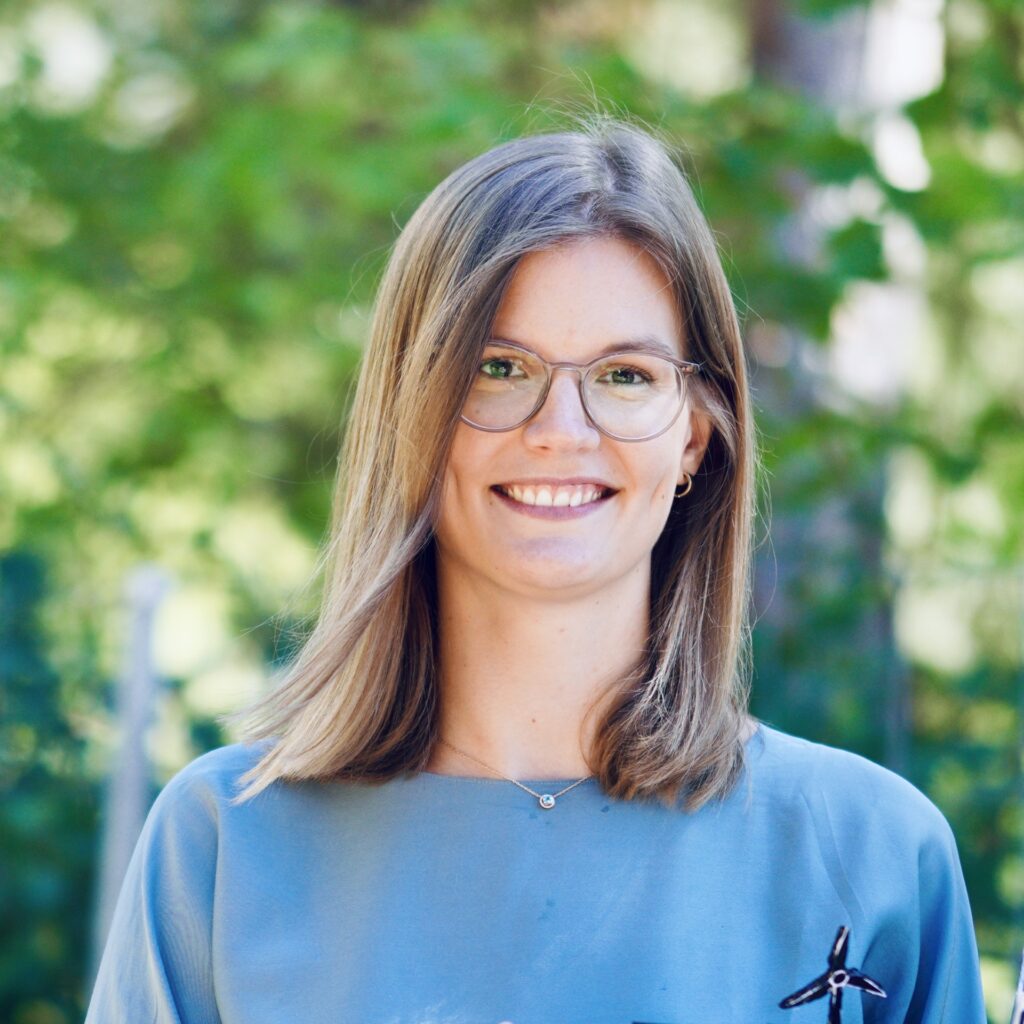
Johanna Vorwerk
Johanna Vorwerk is an Assistant Professor in the Department of Wind and Energy Systems at the Technical University of Denmark. She received the M.Sc. degree in Energy Science and Technology and the Ph.D. degree in Electrical Engineering from ETH Zürich. Her research lies at the intersection of power system dynamics and machine learning, with specific interests in physics-informed machine learning for dynamic simulations, dynamic security assessment, trustworthy AI for power systems, and stability analysis of inverter-based renewable grids.
Spyros Chatzivasileiadis
Spyros Chatzivasileiadis is a Professor in the Department of Wind and Energy Systems at the Technical University of Denmark. He received a Diploma in Electrical and Computer Engineering from the National Technical University of Athens, Greece, and a Ph.D. degree in Electrical Engineering from ETH Zurich. He previously was a postdoctoral researcher at the Lawrence Berkeley National Laboratory followed by time as a postdoctoral researcher at the Massachusetts Institute of Technology. His research interests lie at the cross-section of AI, control, optimization and dynamic systems to ensure the secure operation of electric systems with 100% renewable sources.


Jalal Kazempour
Jalal Kazempour is a Professor and Head of the Section for Energy Markets and Analytics in the Department of Wind and Energy Systems at the Technical University of Denmark (DTU), where he also serves as Head of Studies for the MSc program in Sustainable Energy Systems. He is the founder and co-organizer of the annual DTU PES Summer School, an Associate Editor for Operations Research, a member of ACER’s Expert Group on the EU-wide Flexibility Needs Assessment, and a Senior Member of IEEE and INFORMS. He received his B.Sc. degree in Electrical Engineering from the University of Tabriz, Iran, in 2006, his M.Sc. from Tarbiat Modares University, Iran, in 2009, and his Ph.D. in Electrical Engineering from the University of Castilla-La Mancha, Ciudad Real, Spain, in 2013. Following his Ph.D., he held postdoctoral positions at Johns Hopkins University (2013–2014) and DTU (2015–2016) and has been a visiting scholar at the University of Edinburgh, the University of Calgary, and KTH Royal Institute of Technology. His research focuses on market-oriented, data-driven approaches to the operation and coordination of energy systems, including power, hydrogen, natural gas, and district heating, at the intersection of optimization, control, game theory, and machine learning, aiming to advance market design, grid services, and overall system efficiency.